Electronic Cooling
Electronic Cooling
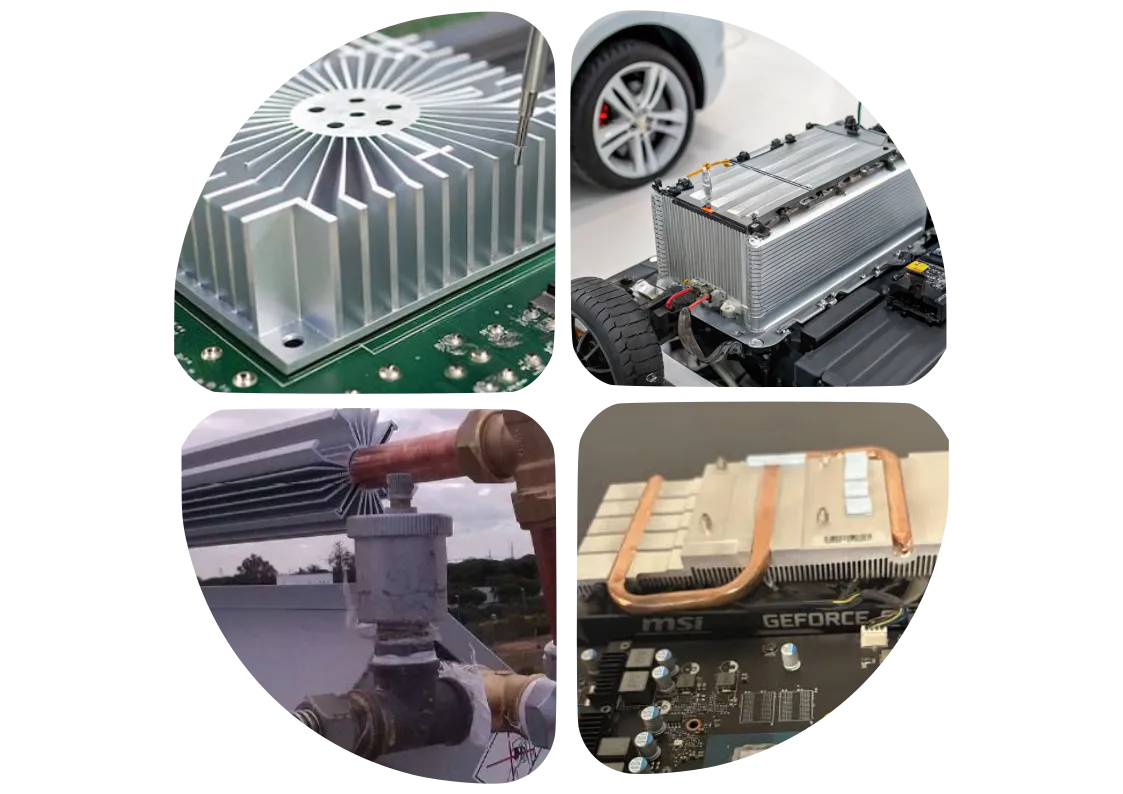
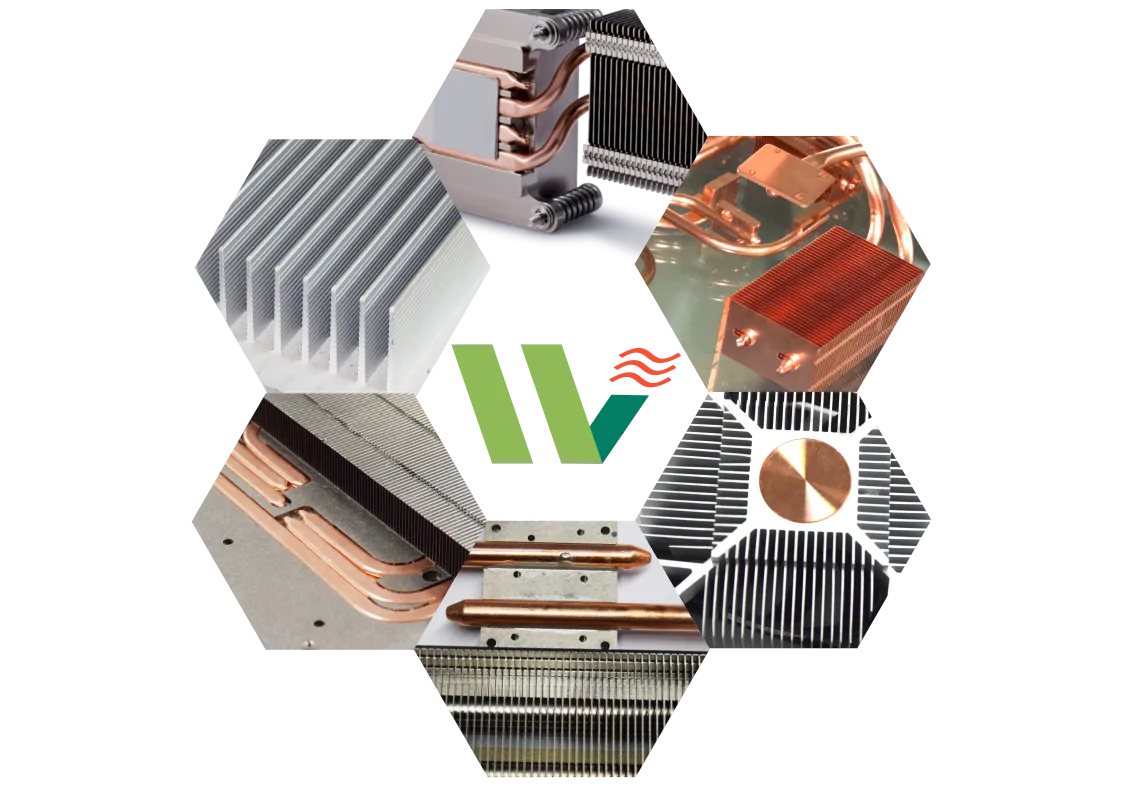
An electronic cooling heatsink is a passive heat exchanger that absorbs heat generated by components like CPUs, GPUs, and power transistors, transferring it to a fluid medium (usually air or liquid). By expanding the surface area via fins, they prevent overheating and maintain optimal operating performance.
Key Concepts & Materials
- Materials: Heatsinks are typically made of aluminum (lightweight and cost-effective) or copper (superior thermal conductivity).
- Thermal Interface Materials (TIMs): To ensure effective heat transfer, thermal paste, pads, or epoxy must be applied between the heat source and the heatsink base to eliminate microscopic air gaps.
- Cooling Methods:
- Passive cooling: Relies on natural air convection with finned designs.
- Forced cooling: Uses fans or liquid cooling pumps attached to the heatsink to aggressively carry heat away.